The English website is an automatic translation with DeepL. When you visit our website, you agree to our Privacy policy regarding cookies, tracking statistics, etc.
Use fine tweezers or a special tick card. Grasp the tick as close to the skin as possible and pull it out slowly and straight.
Please avoid twisting or squeezing the tickotherwise pathogens could enter the wound.
The puncture site should then be thoroughly disinfected
If the tick head or parts of the holding apparatus (legs) remain in the skinThis is generally harmless. The body rejects this foreign body on its own.
2. observe the puncture site
Please observe the site of the tick bite carefully over the following days and weeks.
Pay particular attention to:
an increasing Rednessespecially ring-shaped (so-called Wandering blush)
Swelling, pain or itching
Flu-like symptoms such as fever, headache or aching limbs
3. when you should seek medical advice
Please contact your pediatrician's office if:
The puncture site becomes infected
a ring-shaped reddening forms
Your child feels generally unwell, complains of a headache or has a fever
Important information on Lyme disease and TBE
Lyme disease (Lyme borreliosis):
Transmitted by bacteria (borrelia) found in some ticks.
A typical first sign is the Wandering blush - a ring-shaped reddening around the puncture site, often only after a few days.
Lyme disease can be treated with antibiotics.
TBE (tick-borne encephalitis):
Transmitted by a virus that is particularly common in certain regions (TBE risk areas).
The disease can begin like the flu and in rare cases can lead to meningitis.
It is not possible to treat the virus itself with medication - only the symptoms can be alleviated.
A Vaccination against TBE is possible and is recommended in risk areas (all of Switzerland with the exception of Ticino). There are three vaccinations.
What do we as pediatricians and adolescent physicians have to offer?to do with climate protection?
We want your children to grow up healthy and happy. In addition to medical care, we are also committed to preserving a healthy planet.
Why? The natural environment has a significant influence on children's health. Their bodies react very sensitively to changes as they are still growing. This is why harmful influences due to climate change and environmental pollution can be particularly damaging to children.
What is our goal? We want to show you how closely the health of our planet is linked to our own health. At the same time, you will learn how you can do something for your own health and that of your children with many small measures in everyday life.
We can work together to make society more environmentally friendly and therefore healthier.
We all benefit from this!
Nutrition ...
... is an important key to healthy families and a healthy climate.
Our current food system, with agriculture that promotes monocultures and factory farming, causes a quarter of all harmful greenhouse gases (CO₂) worldwide. In addition, a third of all food ends up in the bin, which wastes resources unnecessarily.
At the same time, a diet high in animal products such as meat and dairy products increases the risk of obesity and diseases such as diabetes and high blood pressure.
A predominantly plant-based diet with few animal products provides children and young people with the necessary vitamins and nutrients and prevents obesity.
What can I do?
Buy regional and seasonal food wherever possible
Compile a diet consisting mainly of fruit and vegetables, potatoes, wholegrain products and plant-based proteins such as nuts, beans and lentils
Consume meat and dairy products sparingly
Plan shopping and meals to avoid throwing food away
Do not dispose of food just because it has expired
Movement and transportation:
Active and climate-friendly from A to B
Cars and other motorized means of transport produce a lot of harmful exhaust fumes, CO₂ and particulate matter. This promotes allergies and lung diseases.
In addition, children and young people move less if the family frequently uses motorized means of transport for everyday journeys.
Being active in everyday life is the best protection against obesity or back problems. Exercise is also very important for the mental and physical development of children.
What can I do?
Cycle, walk and use public transport whenever possible
Consider alternatives to flights
Planning family trips by train
Plan a trip on the night train as a special adventure for children
form carpools if possible
Electricity and gas:
Switch to green energy
Burning coal, oil and natural gas for electricity and heating is responsible for more than a third of global CO₂ emissions.
In addition, these raw materials cause many illnesses due to pollutants that are released into the air when they are burned. Children's lungs are particularly sensitive to these pollutants.
Clean air can therefore reduce bronchitis and asthma. Child developmental disorders and even premature births also occur less frequently.
What can I do?
Save electricity and switch to green alternatives such as green electricity
heat carefully and lower the room temperature to 19 degrees in the cold season if possible
Use less hot water and use low-flow shower heads
Generate your own electricity and use solar cells: there are also models for the balcony
Nature instead of plastic:
Avoid pollutants and plastic
Man-made pollutants such as plastic, pesticides and chemicals accumulate in nature and in drinking water. There they harm many animals and plants and also enter our bodies via food, drinking water and the air we breathe.
Harmful substances can also be absorbed by the skin from clothing and care products. Children are also particularly susceptible to the harmful effects.
The fewer pollutants in the environment, the fewer chronic illnesses and developmental disorders are observed in children.
What can I do?
Separate waste and recycle as much as possible
Prefer to buy second-hand clothes
Use non-plastic kitchen utensils and non-coated pans, for example made of cast iron or stainless steel
Use care products without microplastics, fragrances and preservatives
Prefer cleaning agents made from purely natural ingredients
Buy unsprayed (e.g. organic) fruit, vegetables and cereals
Do not use impregnation spray or synthetic pesticides such as glyphosate
For climate & health:
the most important tips
Being active on foot and by bike reduces pollutants and CO₂ in the air and helps children stay healthy and slim
More fruit, vegetables, nuts and less meat and dairy products improve children's health and protect the environment
Green electricity and energy saving help to reduce asthma and bronchitis, because less burning of raw materials means cleaner air
Waste separation and recycling help to reduce chronic diseases, because saving resources means fewer pollutants such as plastic and chemicals in the environment
Not wasting food is good for your wallet and the climate
Fewer cars means more space for parks, football pitches and children's playgrounds
Get involved and talk about climate protection - even small changes add up to a lot
Who are the KlimaDocs?
The KlimaDocs are a network of doctors who want to take more responsibility for climate and environmental protection. And thus also actively support the health of their patients.
A climate and environmentally friendly lifestyle means above all a gain in health and quality of life - for you, your fellow human beings and all generations that come after us.
If you would like to know more about climate and health protection, talk to your doctor or visit our website klimadocs.de
Are you a doctor and would like to join our network? Simply request free information material for patients at www.klimadocs.de order.
Summer is finally here! After the often far too long and cold winter, the warm summer days are a real treat - at least for most people! When the thermometer rises significantly, the heat can become a problem for some people. They suffer more from tiredness, red eyes, sun allergies and, in rare cases, even breathing difficulties.
The following tips can help you to enjoy a more carefree summer!
Leave the heat outside Ventilate living and working spaces at night and in the early hours of the morning. Close the windows and lower the shutters before the sun comes in. This keeps the sun's rays out and prevents hot air from entering the rooms during the day. If possible, switch off all electrical appliances that radiate heat.
Customize your activities Everyday activities and school lessons should be adapted to the temperature. For example, a math lesson can take place outside in a shady spot or be replaced by a walk in the woods. Sports events should be postponed until the cooler morning hours. It is important that sensitive children and young people in particular are taken into consideration during such events.
Make sure you drink enough Children and teenagers in particular should make sure that they drink plenty of fluids on summer days. Sugar-free drinks such as mineral water, tap water and unsweetened tea are suitable thirst quenchers.
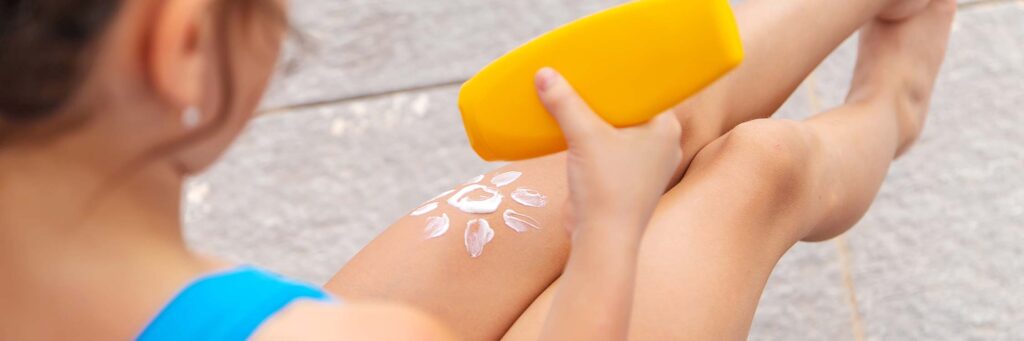
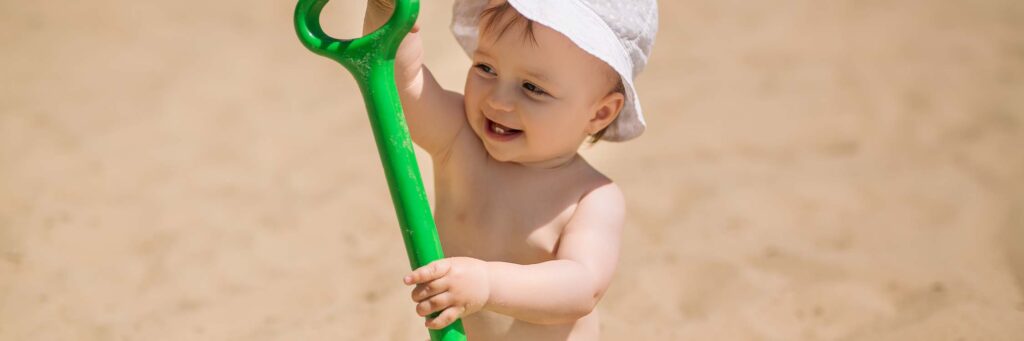
Protect yourself and your children When swimming or spending long periods in the sun, it is very important to wear sunglasses, a hat and sun cream to protect your skin and eyes from the sun's rays.
If, despite these recommendations, you or your children repeatedly suffer from symptoms such as shortness of breath, coughing or headaches on summer days, you should discuss this with your doctor.
"Hot Box"
Give preference to shady spots and avoid the strongest sunlight, especially between 11 am and 3 pm.
Use UV-tested sunglasses for your eyes.
Wear light-colored, airy clothing and a hat.
Protect your skin in summer, even on cloudy days, as UV radiation is high despite the clouds.
Apply sun cream with a high sun protection factor several times a day and don't forget to apply sun cream to sun-exposed areas such as the nose, ears, lips and the back of the neck.
Reapply after every bath - even with waterproof sun creams.